
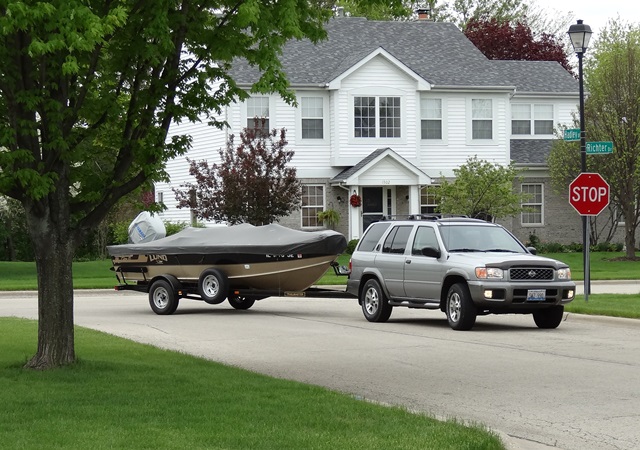
I just came back from my annual spring fishing trip to Minnesota, and I gotta say: every year I get a little bit more nervous as I tow my boat 600 miles north, and then back again. The reason is simple. People drive way too fast nowadays. And that is without pulling some sort of trailer behind them. But hitch a boat and trailer behind a car with worn tires, and the speeds at which watercraft are towed should be cause for real concern for all of us, for a number of reasons.
(This page may contain affiliate links, which means I may earn a small commission if you click through and make a purchase. You can read our Affiliate Disclosure here.)
License Classifications
First of all, consider the fact that one needs a special license and classification to drive things like motorcycles, school busses and vehicles with air brakes like semi-trailer trucks, gravel trucks, etc. (And by the way, those classifications don’t automatically make holders of those licenses expert drivers either…). But as far as I know, just about anyone can go out and buy a $30,000 boat and trailer, attach it to his/her car… and simply drive it off the lot.
No special training is required beforehand, and no special license classification is needed. For those of us who have hauled a boat around for a number of years – well, we know that it may not be too difficult to drive in a straight line at low speeds. But when it comes to things like driving at highway speeds, passing other vehicles, high winds, backing up, etc., the task becomes much more difficult than one might think. And there are many important reasons that hauling a boat should cause, at the very least, some concern for all of us. Why?
Combination of Speed and Age of Your Tires
The first and possibly most important of those reasons is: tires. On our last trip, a car pulling a narrow trailer with a 14-foot fishing boat and 10-HP motor, blew past me at about 80-85 mph. Forget for a moment the fact that the speed limit was only 65 mph (even though it is currently 70 mph).
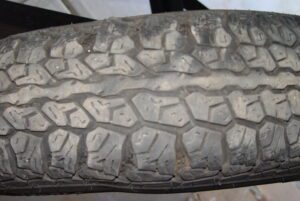
Judging by the condition of the boat (quite old and not very well taken care of) it also appeared that the tiny tires (they appeared to be only 10 or 12-inch wheels) were approximately of the same age and in the same shape as the trailer: old and worn.
Those small tires were not designed to rotate at that speed! with Those small tires, combined with speed and heat? It’s a deadly combination. One that will almost guarantee an accident is just waiting to happen!

Time for Replacement
Most tires spend a great deal of time doing little more than standing still, baking in the hot sun. You have seen what an overdose of UV radiation can do to unprotected skin in a very short period of time. This very same UV radiation can do virtually the same thing to tires.
At the very least, it will weaken and degrade the sidewalls. After 4 or five years of such UV abuse along with the destructive ozone in the air, these tires can very easily fail at highway speeds. Even if they look ok to you, and have only 10,000 or less miles on them, they may be ready to go.
Replacing old tires is the best insurance for avoiding an ugly mishap. Believe it or not, the absolute maximum recommended length of time a tire should be in service on a trailer is six years. No matter how good they look, replace them at that point!
Proper Inflation
Inflation is another important tire issue. Almost half of all calls for towing and trailer assistance involve flat tires or blowouts. Many of those are caused by under-inflation. Tires can lose a pound or more of air per week. If those under-inflated tires are then put under the stress of highway trailering, two things result: excessive heat buildup and/or fishtailing. Neither of those is good. Not good for you or for those on the road around you. Both things can easily cause a flat or blowout.
Once a tire is “lost” in such a fashion, steering quickly becomes very difficult. Too many accidents result from flat tires. Many accidents could be avoided by a quick, pre-trip check of tire pressure.
Tire Rating
Another oft-overlooked item relating to tires is the rating of the tires. Cars have a P (passenger) rating and pick-ups and SUV’s usually have an LT (light truck) rating. Trailer tires should be ST (Special Trailering) rated. Are yours? These tires have stiffer sidewalls, helping to reduce swaying, and are obviously designed with a special purpose in mind. But even so, be aware that even ST rated tires are designed for a maximum speed rating of 65mph!

Size Does Matter
Larger tires rotate more slowly and therefore stay cooler. In general, they are safer than smaller tires. Conversely, smaller tires rotate faster, generating more heat and thereby increasing the chances of failure from blowout (heat increases pressure), among other things. Hotter, faster rotating tires will also transfer that heat to the bearings and the axle, two other areas of concern.
Heat is the Enemy of Trailer Bearings, Too
Speaking of bearings, heat – as mentioned above – is the enemy when trailering. Heat causes things to expand and get closer together, thereby causing more friction, which causes more heat, which… well, you get the idea. And, when you get to the lake, you are normally anxious to get your boat into the water, right?
The difference in temperature between the cool lake water and your overheated hubs will cause water to be drawn into the hub… unless the hubs are properly greased and have hub protectors. This water can corrode the bearings, which in turn will cause more friction, more heat and so on. This can ultimately cause the bearings to seize up and the wheel to lock up as well. So keep those bearings properly greased with marine grease (over-packing the bearings is not good either). And check the temperature of the hubs at every stop: simply holding them briefly will give you an indication of their temperature. Also, consider getting those bearings repacked on a regular basis.
Although the trailer itself seems to be a simple piece of equipment, there are several things to be mindful of: the frame, axles, nuts, and bolts. Keep a watchful eye out for rust, and when the opportunity presents itself, sand a rusted area and touch it up with paint. Not only will the trailer look better, but it will also last longer and be safer besides.
Check and Recheck
One last but very important piece bit of advice is in order. Consider a checklist (here are 3 great articles from Boat U.S.) that will provide you with a consistent way to always be aware of the things on your trailer that require attention, long before you attempt to back it out of the driveway. Are the tires properly inflated? Does all the lighting work properly? A non-functional turn signal can bring a vacation to a quick halt with unpleasant consequences.
Make sure that the coupler and latch are working and that the boat is firmly on the ball. Secondly, make sure that the safety chains are attached. Lastly, make sure that the safety cable/chain is connected from the trailer to the boat and be certain that the tie-downs are snugly secured. A blow-out that causes the trailer to fish tail can throw an improperly secured boat right off the trailer. You have likely seen many a boat sitting on the side of the expressway… without the trailer beneath them. It is a very expensive way to start on holiday. Finally, when possible, stow your gear in the car rather than in the boat. Improperly stored gear can change the weight on the trailer tongue, causing either trailer or car – or both – to handle poorly.
For that car to be traveling at such a high rate of speed with too-small tires was dangerous enough. I wonder how many other items the driver overlooked before his trip. Please, take the time to take as much care of your trailer and tires as you do your families. I would like to see you all back On the Lake next year!
R. Karl